
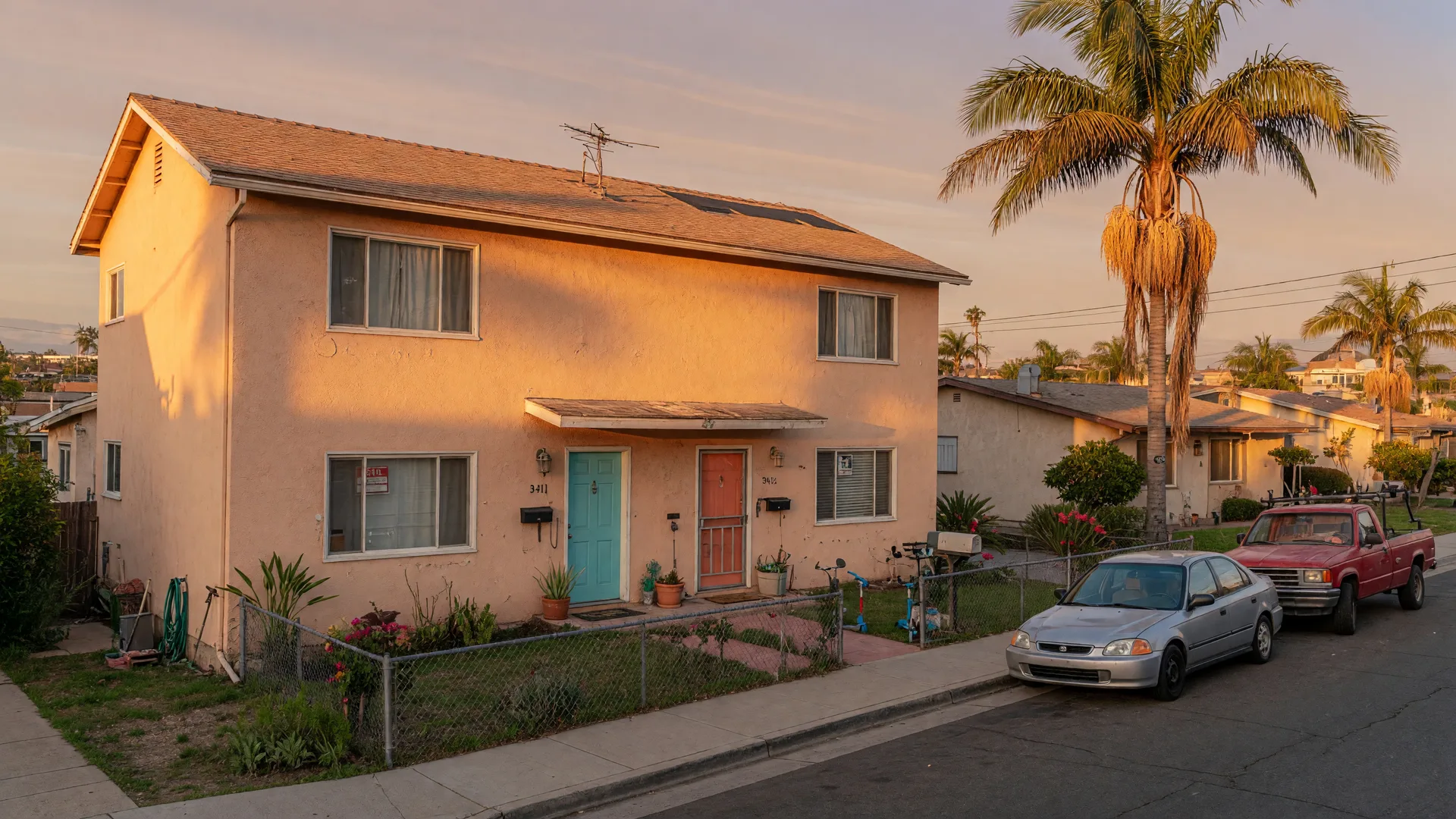
House hacking in San Diego: the smartest way to buy your first investment property.
In a market where the county median home price sits near $1.02M, house hacking lets first-time buyers enter real estate investing with as little as 3.5% down, live in one unit, and let tenants help pay the mortgage. Here is the complete 2026 guide.
San Diego is one of the hardest first-time markets in the country: the county median home price is near $1.02M and mortgage rates hover around 6.6%. Yet 2026 is a notable window for house hackers. The FHFA lets owner-occupants of 2\u20134 unit properties put as little as 5% down on conventional loans, FHA keeps a 3.5% down path with 2026 San Diego County limits up to $1.41M for a duplex, and a record 6.2% apartment vacancy has softened purchase competition. For a first-time investor who can live in one unit, house hacking remains the most capital-efficient way to build a San Diego portfolio. This guide covers the financing, the neighborhoods, the budget, and the risks.
Owner-occupants can buy a duplex, triplex, or fourplex with as little as 3.5% down using an FHA 203(b) loan, the lowest capital path into San Diego investing.
The San Diego County FHA limit for a two-unit owner-occupied property. Triplex caps at $1.71M and fourplex at $2.12M in 2026.
Rates hovered near 6.6% through late summer 2026, which shapes whether a house-hack deal pencils out with rental income offsetting the mortgage.
FHA house-hackers typically commit to one year of occupancy before converting to a full rental or moving to the next acquisition.
House hacking is the single most effective way for a first-time buyer to break into San Diego real estate: it converts the roof over your head from a cost into a wealth-building asset.
The idea is simple. Instead of buying a single-family home and paying the whole mortgage yourself, you buy a duplex, triplex, or fourplex, live in one unit, and rent out the others. The tenants' rent offsets your mortgage, you build equity in a property that appreciates, and California's Prop 13 caps your property tax growth at purchase.
In San Diego's near-$1.02M median-price market, this matters enormously. An FHA owner-occupied loan lets you buy a qualifying 2\u20134 unit property with just 3.5% down, and up to 75% of projected rental income counts toward your qualifying income. That combination of low capital and rent-credited income is what makes house hacking realistic where a traditional investment-purchase route is not.
House hacking is not a get-rich scheme, and in a 6.6% rate environment the numbers must be run honestly. The deals that work are in accessible cash-flow submarkets like City Heights, National City, El Cajon, and parts of Chula Vista, where 2\u20134 unit pricing and rents line up so that rental income covers a meaningful share of the mortgage.
Done right, the play follows a proven rhythm: buy owner-occupied with a low down payment, live in the property for at least 12 months, convert to a full rental, refinance when rates ease, and use the equity and cash flow to acquire the next property. That is how a single house hack becomes the foundation of a San Diego portfolio.
What does the 2026 San Diego market look like for house hackers?
These are the numbers a first-time house hacker should understand before writing an offer in late 2026.
Greater San Diego Association of REALTORS put the July 2026 county median near $1.02M, with Redfin reporting a median sale price around $937K. A 2–4 unit house-hack can make ownership more accessible than a single-family at that price point.
Multifamily (duplex and triplex) listings across San Diego County ran at a median near $1.43M, with city listings closer to $1.59M. Many qualifying properties fall under the 2026 FHA owner-occupied caps.
Mortgage rates averaged roughly 6.55%–6.66% through late summer 2026 after touching a one-year high. Rate is the single biggest variable in whether a house-hack pencils out.
A record 6.2% vacancy in mid-2026 reflects heavy new supply. That pressures pure investor rents, but for an owner-occupant it can mean easier qualifying and softer competition on purchase.
Record Vacancy, Softer Competition
A record 6.2% county apartment vacancy reflects heavy 2024\u20132026 new supply. For an owner-occupant, that can mean more negotiating room and less bidding competition than the pandemic years.
Prop 13 Stability
Your assessed value (and property tax) is fixed at purchase and grows only about 2% a year under Prop 13, giving long-term predictability to your housing cost as a house hacker.
Owner-Occupant Advantage
Owner-occupants get down payments (3.5%\u20135%) and rates that pure investors cannot access, and the Homeowners' Exemption can reduce assessed value by $7,000 on your owner-occupied unit.
What loan options can buy a 2\u20134 unit property?
The right financing is what makes house hacking possible. Because you live in the property, you unlock owner-occupied programs that pure investors cannot use.
FHA 203(b)
The most capital-efficient house-hack path. Buy a 2–4 unit property and live in one unit with 3.5% down (10% down with a 500–579 credit score). Up to 75% of projected rental income counts toward qualifying, and a self-sufficiency test applies to 3–4 unit buildings.
Conventional (FHFA 5% Down)
Since November 2023, the FHFA allows owner-occupants of 2–4 unit properties to put just 5% down on a conventional conforming loan, down from the old 15%–25% minimum. A strong alternative when FHA premiums or requirements are not ideal.
VA Loan
Eligible veterans and active-duty service members can buy a 2–4 unit property with zero down and use rental income to offset the mortgage. The strongest low-capital path for those who qualify.
Conventional 20%–25%
If you plan to convert to a full investment property after occupancy or want to avoid FHA mortgage insurance, a conventional investment loan at 20%–25% down gives flexibility, at the cost of a larger upfront cash requirement.
Pro tip: Have a lender run your target building through the FHA qualifying math before you go under contract. With up to 75% of projected rental income counted, the loan amount you qualify for can be materially higher than for a single-family purchase.
Four ways to house-hack your way into the San Diego market.
Single-Family Rental Offset
Buy a single-family home with an owner-occupied loan and rent out a room or an attached ADU to offset part of the mortgage. Lowest price of entry and simplest management, with more limited rent coverage than a true multi-unit.
The Classic Duplex
Live in one unit, rent the other. The single most popular San Diego house-hack because it balances rent coverage, management simplicity, and the 2026 FHA duplex limit of $1.41M.
Triplex & Fourplex
Two or three rental units offset the mortgage far more aggressively. The 2026 FHA triplex limit is $1.71M and the fourplex limit is $2.12M. More income, but more tenants, turnover, and maintenance to manage.
House-Hack to Portfolio
The standard growth play: live in the property for 12 months, then convert to a full rental, keep the equity and cash flow, and use the experience (and refinance) to move on to the next acquisition.
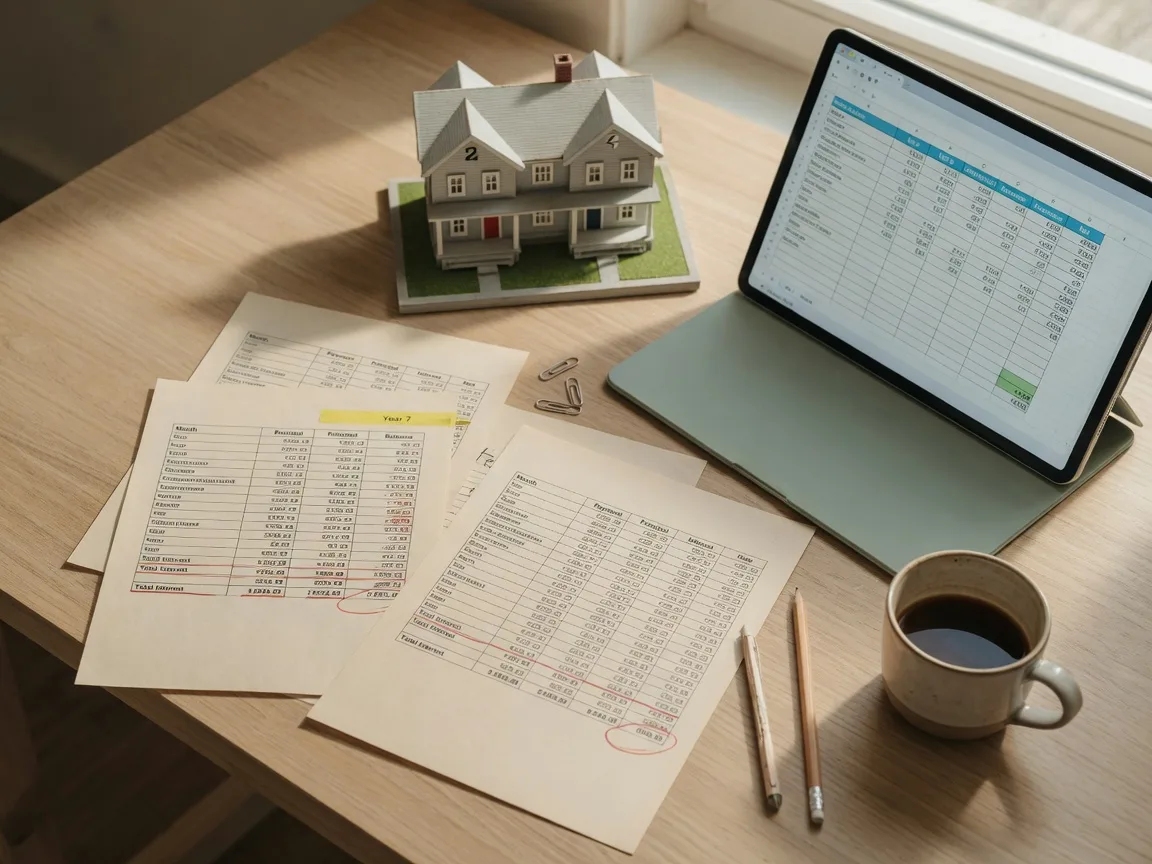
The house-hack deal works when the rent roll is underwritten honestly against today's rate and real operating costs.
How much cash do you need to house-hack?
This is a realistic budget for an FHA purchase of a $1.3M duplex. Down payment is the headline, but reserves and closing costs matter just as much.
Why reserves matter: Even with tenants covering much of the mortgage, a vacant unit, a major repair, or a slow leasing month can hit your cash flow. Six months of reserves is the discipline that keeps a first house hack from becoming a stress test.
Which San Diego neighborhoods favor house hacking?
The best house-hack neighborhoods combine accessible 2\u20134 unit pricing with strong, durable renter demand. These submarkets consistently deliver.
City Heights
Highest cash-flow potentialCap rates around 5%–6.3% and the most accessible duplex pricing in the city. Condos and townhomes around $460K median offer low entry points, while small 2–4 unit buildings deliver the rent coverage a house-hack needs.
Chula Vista
South County growthThe county’s second-largest city offers strong workforce rental demand with a median age near 34. ZIPs 91910 and 91911 remain top cash-flow zones, and Eastlake correction has opened more accessible entry pricing.
National City
Affordable entryConsistently one of the most accessible 2–4 unit markets in the county, with strong tenant demand and cap rates that support an owner-occupied cash-flow model even at current rates.
El Cajon
East County valueMedian duplex pricing in the $650K–$800K range makes El Cajon a realistic first house-hack market where rental coverage against a smaller mortgage is easier to achieve.
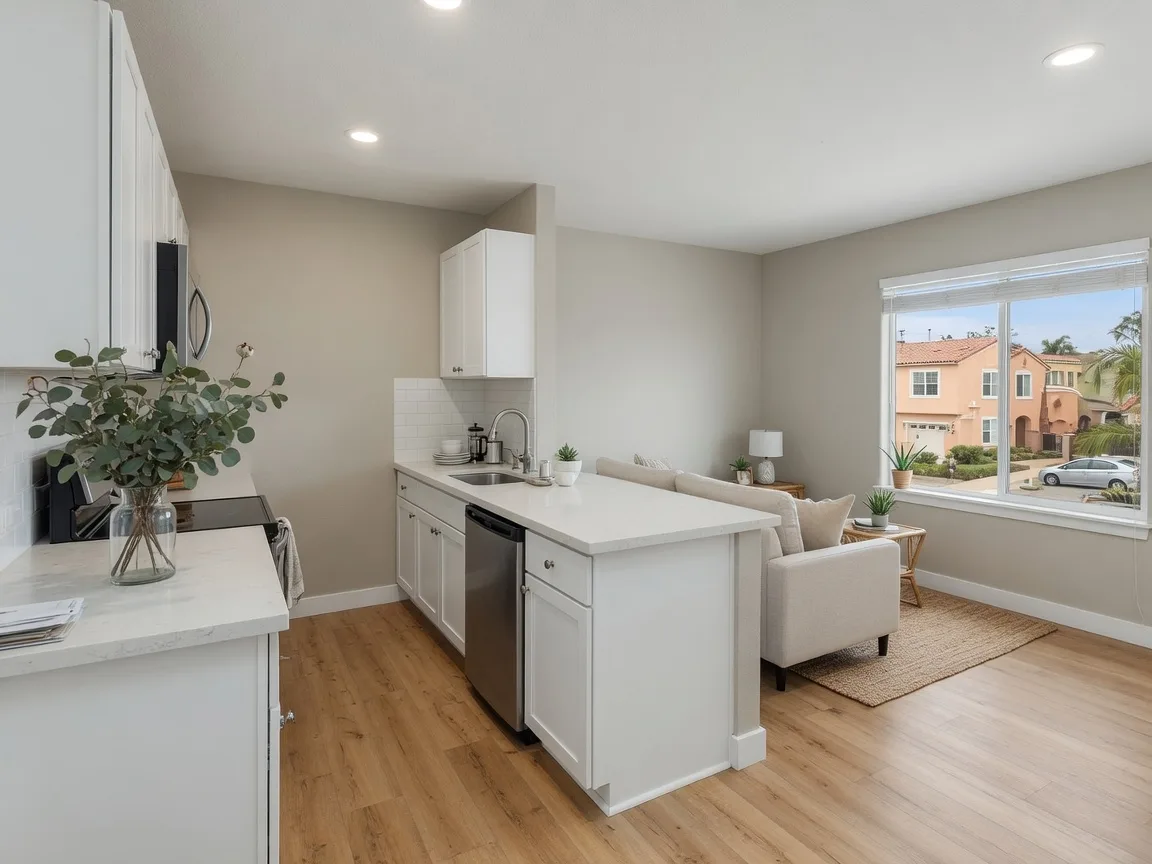
A clean, rent-ready unit in good condition commands top dollar and minimizes turnover in an owner-occupied building.
Four moves that make a San Diego house hack work.
Buy the Best Location You Can, Not the Cheapest
In San Diego, location drives both renter demand and long-term appreciation. A slightly higher-priced duplex in a walkable, transit-served neighborhood with strong tenant demand often beats a cheaper building in a weaker rental market.
Use Rental Income to Quality
For FHA, up to 75% of projected rental income counts toward qualifying. Have a lender run the numbers on your target building early, because it can lift your buying power significantly versus a single-family purchase.
Target Properties Under the FHA Cap
Keep your search below the 2026 FHA owner-occupied limits ($1.41M duplex, $1.71M triplex, $2.12M fourplex) so you keep the 3.5% down path open. That widens the pool of qualifying deals.
Plan for the 12-Month Exit to a Full Rental
Build the acquisition with the end in mind: after 12 months of occupancy, convert to a full rental, refinance when rates allow, and redeploy into the next property. Keep financials clean from day one so the refinance is easy.
What can go wrong, and how do you avoid it?
Underwriting Rental Income Conservatively
Lenders count up to 75% of projected rental income for FHA, but actual vacancy and maintenance can eat into that. Stress-test with 5%–10% vacancy and real operating costs, not the most optimistic rent roll.
Self-Sufficiency Test on 3–4 Units
FHA requires that for 3–4 unit properties the projected rental income covers the mortgage (a self-sufficiency test). Make sure your target building actually meets the lender’s calculation before committing.
Management Load and Turnover
Renting to roommates or neighbors in the same building means shared walls, parking disputes, and maintenance calls. First-time house-hackers often underestimate the day-to-day management burden.
Rate Sensitivity at 6.6%
At current rates, the deal works only if rent coverage is strong. Underwrite at today’s rate and require the numbers to work without assuming a quick refinance, because no 2026 Fed cuts are currently priced.
Frequently asked questions.
What is house hacking?
What is house hacking?
How much do I need for a down payment in San Diego?
How much do I need for a down payment in San Diego?
What are the 2026 FHA loan limits for San Diego County?
What are the 2026 FHA loan limits for San Diego County?
Can I count rental income toward qualifying for the loan?
Can I count rental income toward qualifying for the loan?
How long do I need to live in the property?
How long do I need to live in the property?
Is house hacking realistic in San Diego in 2026?
Is house hacking realistic in San Diego in 2026?
Find the 2\u20134 unit property
that launches your portfolio.
Whether you are evaluating your first duplex in City Heights or running the FHA numbers on a fourplex, our team can help you underwrite the deal, line up owner-occupied financing, and identify properties that match your budget and goals.