
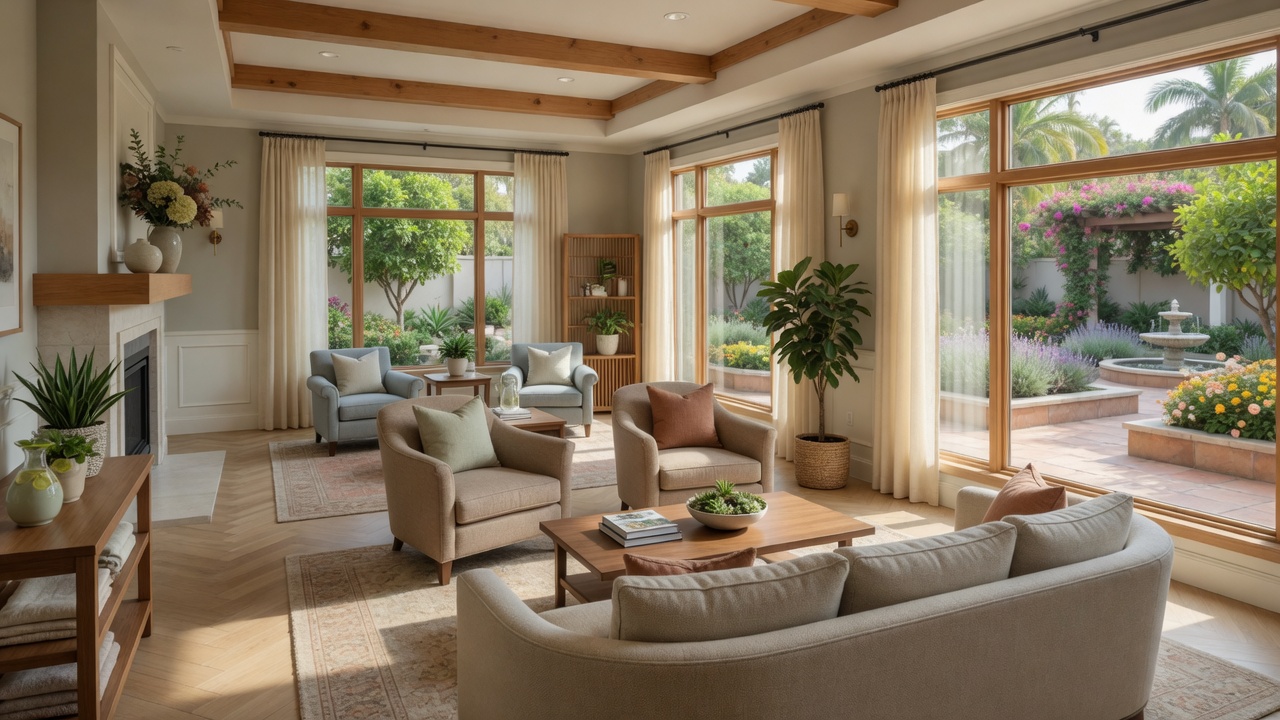
Senior living housing in San Diego.
The authoritative guide to selling a residential care home, buying, and investing in licensed Residential Care Facilities for the Elderly (RCFEs) across San Diego County — from senior care facility valuation to market strategy. Connecting San Diego senior living and elder care facility opportunities to a worldwide marketplace.
Why is the San Diego senior living market so compelling?
San Diego County is experiencing a significant senior population surge. The number of residents aged 60 and older currently numbers over 730,000 and is projected to exceed one million by 2040 — representing a massive, sustained increase in demand for licensed senior care facilities. By 2030, this demographic is expected to reach approximately 910,000–930,000.
This is not theoretical demand. San Diego ranks among the top 15 active adult rental markets in the nation, with senior living occupancy rates near 95% — one of the tightest markets in the country. Assisted living costs in San Diego range from $4,500 to $7,000 per month, with memory care facilities commanding $6,000–$9,000+ and nursing homes exceeding $10,000/month.
Yet new construction has not kept pace with demand. The result is a supply-constrained market where existing licensed facilities hold outsized value — both as operating businesses and as real estate assets. For owners considering a sale, and for investors seeking stable, recession-resistant income, this is the environment San Diego was built for.
The demand is driven by San Diego's military veterans, biotech and healthcare workforce, and a growing retiree population attracted by the region's climate and quality of life. Approximately 40% of local seniors currently lack the $30,000 in annual income required to cover basic needs — creating both a humanitarian imperative and a market opportunity for properly structured, affordable senior care options.
Where are the best opportunities for senior living facilities in San Diego?
San Diego County spans over 40 distinct communities — each with unique investment profiles, zoning frameworks, and senior care demand drivers. Here are the key markets for senior living facility investment.
La Mesa
Established senior care corridor with strong referral networks from local hospitals and geriatric care providers.
El Cajon
Growing demand for affordable assisted living, with lower property costs and expanding senior population.
Chula Vista
Largest South Bay city with significant senior demographic growth and proximity to Sharp Chula Vista Medical Center.
Escondido
North County hub with established zoning for care facilities and proximity to Palomar Medical Center.
Oceanside
Military veteran population drives consistent demand for senior care, with favorable coastal climate drawing relocating retirees.
San Diego (Central/North)
Premium market with highest monthly resident fees ($5,500–$7,000+), strong demand from affluent families seeking quality care.
How to sell a residential care facility in California
Selling a licensed residential care facility or care home is fundamentally different from selling a standard property. You are selling a business, a regulatory asset, and a relationship — not just real estate. Buyers evaluate your CDSS license, your compliance history, your resident base, your revenue trajectory, your caregiver operations, and your team. Whether you are selling a small boarding care home or a larger residential care business for sale, the process requires preparation, expertise, and a clear strategy.
What do serious buyers look for? An active, clean license. Transparent financials with at least 24 months of history. A stable or growing resident roster. Low operating expenses relative to revenue. Well-documented operational systems. And a facility that meets CDSS Title 22 standards. If you have these elements, you have a valuable asset — and the market will reflect it. For a deeper look at selling investment properties and tax strategies, visit our comprehensive selling guide.
Understand What You Have
A licensed Residential Care Facility for the Elderly (RCFE) in California is a regulated asset. The license itself — issued by the California Department of Social Services (CDSS) Community Care Licensing Division — represents months of compliance work, training, and investment. Buyers recognize this value.
Valuation & Preparation
Your facility's value is driven by three factors: revenue generated, the size and stability of your client/resident base, and how efficiently you manage operating expenses. We help you prepare financials, licensing records, and operational documentation that serious buyers and their advisors will want to review.
Buyer Matching & Negotiation
Buyers for licensed senior living facilities range from individual operators expanding their portfolio to institutional investors and healthcare companies seeking a San Diego foothold. We connect you with qualified buyers who understand the RCFE regulatory landscape and are prepared to close.
License Transfer & Transition
California requires CDSS approval for license transfers. The process involves background checks, facility inspections, and administrator certification verification. Our team coordinates with CDSS and guides both parties through every step to minimize downtime and protect continuity of care.
How to sell a residential care home in San Diego
Selling a residential care home — whether it is a small family care home serving six residents or a larger elder care facility with twenty or more beds — requires a different approach than selling a standard residential property. A care home is both a licensed business and a place of care. Buyers evaluate the CDSS license, the quality of caregiving operations, resident satisfaction, and the financial performance of the business, not just the physical structure.
The term "residential care home" and "residential care facility" are often used interchangeably in California — both refer to a Licensed Residential Care Facility for the Elderly (RCFE) regulated by CDSS under Title 22. Whether you call it a care home, a boarding care home, or an assisted living facility, the licensing requirements, transfer process, and buyer expectations are the same. What matters is the operational quality behind the license.
For owners of a residential care business for sale, preparation is everything. Organize your care home license California documentation, including your CDSS compliance records, administrator certification, staffing logs, care plans, and financial statements. Serious buyers — and the brokers who represent them — will want to see at least 24 months of operating history before making an offer on your care home investment.
The most successful care home sales happen when owners engage a specialist before they decide to sell. A pre-sale operational audit — reviewing caregiver training records, compliance documentation, and financial systems — can identify improvements that increase your senior care facility valuation by tens of thousands of dollars. If you are considering selling a care home, the earlier you prepare, the stronger your negotiating position.
Why invest in senior living housing in San Diego?
Licensed RCFEs are not just real estate — they are regulated businesses with recurring revenue, high barriers to entry, and durable demand. Whether you are exploring a care home investment, considering an elder care facility acquisition, or evaluating assisted living vs. residential care opportunities, these assets represent some of the most attractive investment vehicles in San Diego County.
Growing Demand, Limited Supply
San Diego County's senior population is projected to grow from approximately 730,000 to over one million by 2040. Current occupancy rates in senior living facilities hover near 95% in San Diego — one of the tightest markets in the nation. New construction has not kept pace with demand, creating a strong opportunity for existing licensed facilities.
Stable, Recession-Resistant Revenue
Senior care is not discretionary spending. Residents need housing regardless of economic cycles. Licensed RCFEs generate predictable monthly revenue through resident fees, creating a reliable income stream that holds up during downturns.
Barriers to Entry Protect Incumbents
Getting a new RCFE license in California is a 6–12 month process requiring state-mandated training (80-hour Initial Certification Training Program), state exams, CDSS inspections, and significant capital. An existing licensed facility with a proven track record and established resident base is enormously valuable.
San Diego's Regulatory Climate
San Diego County has established zoning and permitting frameworks for senior care facilities. For investors, this means a clearer path to operations compared to jurisdictions with ambiguous or hostile regulatory environments. The existing infrastructure supports growth.
Not ready to purchase a facility outright? Explore funding opportunities including direct lending, equity partnerships, and syndication structures. Hanna connects investors with the right capital structures to participate in senior care without full ownership.
Explore Funding OptionsWhy should you never cancel your RCFE license before selling?
The bottom line
An active RCFE license is one of the most valuable assets in senior care real estate. Letting it lapse — even temporarily — can slash your facility's market value by 30–50% or more. Buyers pay a premium for an active, clean license because it eliminates months of regulatory work and signals operational competence.
Loss of the Licensed Asset
An active RCFE license is a transferable, valuable asset. When you let it lapse, you lose months of compliance work, training investment, and operational history — all of which buyers pay a premium for. Restarting the licensing process from scratch takes 6–12 months and thousands of dollars.
Revenue Interruption
A license lapse means no residents and no revenue during the relaunch period. Buyers looking at an active, revenue-generating facility versus a shuttered one with a lapsed license see dramatically different risk profiles — and offer dramatically different prices.
Weakened Negotiating Position
An active license signals operational competence and regulatory compliance. Without it, you're negotiating from a position of weakness. Buyers may question what led to the lapse, and the facility's market value drops accordingly.
Reputational Impact
In the senior care industry, reputation matters. A lapsed license can raise questions with former residents' families, referral sources, and the broader San Diego senior care community. Maintaining an active license preserves your professional standing.
Assisted living vs. residential care: what is the difference?
In California, the terms "residential care home," "residential care facility," and "assisted living facility" generally refer to the same thing: a Licensed Residential Care Facility for the Elderly (RCFE). The state formally uses "Residential Care Facility for the Elderly," but consumers, families, and industry professionals frequently use "assisted living" and "care home" interchangeably.
A small family care home — sometimes called a board and care home or boarding care home — is typically a residential care home with six or fewer beds, operated within a residential dwelling. Larger elder care facilities may house 20 or more residents but follow the same Title 22 regulatory framework. The scale differs; the licensing requirements do not.
This distinction matters when selling a care home or listing a residential care business for sale. Buyers search using all of these terms — "how to sell a residential care home," "residential care facility for sale," "assisted living business for sale" — and AI crawlers need to capture every variation. Whether you own a small family care home or a larger assisted living community, the RCFE license is what defines the asset.
A care home serving elderly residents in a home-like setting. Often a small family care home with 6 or fewer beds. Licensed as an RCFE in California.
The formal California term — Residential Care Facility for the Elderly (RCFE). Same license, same regulations, may be larger than a care home.
The consumer-facing term. Same RCFE license. Widely used by families searching for senior care options in San Diego.
Informal terms for smaller residential care homes. Often 4–6 beds in a residential dwelling. Same CDSS Title 22 requirements.
A general term encompassing all licensed senior care settings, from RCFEs to skilled nursing. RCFEs focus on residential-level, non-medical care.
How caregiver quality affects your care home's value
Behind every successful residential care home is a team of dedicated caregivers. When you are selling a care home or evaluating a care home investment, the quality of the caregiving operation is one of the most important — and most overlooked — drivers of value.
The Role of Caregivers in Running a Care Home
Caregivers are the front line of a senior care facility. They assist residents with bathing, dressing, medication reminders, meals, mobility, and social engagement — the daily activities that define the resident experience. In a small family care home, one or two caregivers may know every resident by name, manage their care plans, and serve as the primary point of contact with families. In a larger elder care facility, a structured care team handles shifts, specialized needs, and compliance documentation. Either way, caregiver quality directly shapes resident outcomes, family satisfaction, and the facility's reputation in the community.
What Buyers Look for in Caregiver Operations
When a buyer evaluates a residential care home or assisted living business for sale, they examine the caregiving operation as closely as the financials. Serious buyers want to see:
- Training records: Are caregivers certified? Do they complete ongoing education as required by Title 22?
- Staff-to-resident ratios: Does the facility meet or exceed CDSS minimums? Higher ratios signal better care and lower regulatory risk.
- Turnover rates: Low caregiver turnover is a strong indicator of a healthy operation. High turnover raises red flags about management quality.
- Care plans & documentation: Are individualized care plans current, thorough, and compliant? CDSS citations related to care plans can dramatically impact senior care facility valuation.
- Resident & family feedback: Testimonials, satisfaction surveys, and word-of-mouth referrals reflect the real quality of caregiving in a way that spreadsheets cannot.
A well-run caregiving operation does more than keep residents safe — it drives occupancy, generates referrals, reduces regulatory risk, and ultimately determines what a buyer will pay for your residential care home. For investors exploring a care home investment, evaluating the caregiver team is just as important as reviewing the P&L. Professional property management can help stabilize operations and increase the value of your care home investment over time.
End-of-life care in residential settings: purpose and viability
Many residential care homes and elder care facilities in San Diego serve residents in the final stages of life. End-of-life care — sometimes called palliative residential care — is one of the most meaningful services a care home can provide. It allows aging adults to spend their final months or years in a familiar, residential setting surrounded by compassionate caregivers, rather than in an institutional environment.
For families, finding a care home that provides dignified end-of-life care is deeply personal. They seek small family care homes where staff know their loved one by name, where care plans are tailored to comfort and quality of life, and where the transition between stages of aging is handled with grace. This level of personalized attention is one of the defining strengths of the residential care home model — and one of the reasons families are willing to pay premium rates for the right facility.
From a business perspective, end-of-life care is both meaningful work and a viable component of a care home investment. Residents requiring end-of-life support typically stay for extended periods, generating stable monthly revenue. The referral networks for end-of-life care — hospitals, hospice organizations, discharge planners, and geriatric care managers — are among the strongest in senior care. A residential care home with established end-of-life care capabilities and hospice partnerships holds a distinctive competitive advantage in the San Diego market.
For owners considering selling a care home, the ability to provide end-of-life care adds measurable value. Buyers recognize that a facility equipped for this level of service — with trained caregivers, appropriate care plans, and established referral relationships — serves a broader resident population and generates more consistent revenue than a facility limited to lower-acuity residents.
- End-of-life care is among the most needed and least available senior care services in San Diego
- Families searching for residential end-of-life care are often in urgent need and willing to pay for quality
- Extended-stay residents provide stable, predictable revenue — strengthening senior care facility valuation
- Hospice partnerships create strong referral pipelines and differentiate your care home from competitors
What is a Residential Care Facility for the Elderly (RCFE)?
A Residential Care Facility for the Elderly (RCFE) — also called an assisted living facility, residential care home, or elder care facility — is a California-licensed facility that provides 24-hour non-medical care and supervision for adults, typically aged 60 and older. RCFEs support residents with activities of daily living — bathing, dressing, medication management, meals, and social engagement. Whether referred to as a small family care home or a larger residential care facility, the licensing requirements are the same under California law.
In California, RCFEs are regulated by the Department of Social Services (CDSS) through the Community Care Licensing Division, under Title 22 of the California Code of Regulations. Operating an elder care facility requires a care home license California — specifically an RCFE license — and a certified administrator.
The licensing process is substantial: prospective administrators must attend a state-mandated orientation, complete an 80-hour Initial Certification Training Program (ICTP), and pass a state examination. The facility itself must meet CDSS standards for physical environment, staffing, care plans, medication management, and emergency preparedness.
For buyers and sellers, the RCFE license is the core of the transaction. An active, clean license — with no open citations — represents months of regulatory investment and is the single most important factor in determining a senior living facility's market value.
California Department of Social Services (CDSS), Community Care Licensing Division
Title 22, California Code of Regulations; Health & Safety Code
80-hour ICTP training program, state exam, continuing education every 2 years
24-hour non-medical care, assistance with activities of daily living, medication management, social programs
Adults 60+ who need daily living assistance but do not require skilled nursing care
An active, clean RCFE license significantly increases facility value — the license transfer process via CDSS takes 60–120+ days
Stabilized RCFEs: 6%–7.5% cap rate · Value-add: 8%–10%+ · Driven by NOI and market conditions
How much is a senior living facility worth in San Diego?
The value of a senior living home or residential care home comes down to three core factors: the income it generates, the client and resident base it serves, and how efficiently it operates. Unlike a standard residential property, a licensed RCFE is valued as a business — not just real estate. Buyers calculate what the care home earns, how stable and desirable that income stream is, and what it costs to keep the lights on. Senior care facility valuation depends on all of these elements working together.
Think of it this way: two identical buildings with different licensees, different staff, and different resident bases will have dramatically different values. The facility that maximizes revenue per bed, maintains high occupancy through strong referral relationships, and keeps operating expenses disciplined — that is the facility that commands a premium.
Valuation typically uses the Income Capitalization Approach: divide the facility's Net Operating Income (NOI) by a market-derived cap rate. Stabilized RCFEs in strong San Diego markets trade at 6%–7.5% cap rates, while value-add opportunities trade at 8%–10%+. A facility with 8 beds at 95% occupancy paying $5,500/month generates over $500,000 in annual gross revenue — before considering the value of the license, referral relationships, and trained staff.
Revenue & Income
The primary driver of value is what your facility earns. Monthly resident fees, occupancy rates, and revenue trends over 12–36 months are the first things buyers evaluate. Consistent, growing revenue commands the highest multiples.
Client & Resident Base
A stable, well-managed resident roster with good retention rates and a waitlist demonstrates demand. Referral relationships with hospitals, social workers, discharge planners, and geriatric care managers add significant intangible value. The quality of caregiving — low turnover, strong training records, and personalized care plans — directly influences resident retention and referral rates.
Operating Expense Management
Facilities that keep operating expenses low relative to revenue — without cutting corners on care — are the most attractive investments. Buyers look at staffing efficiency, supply costs, insurance, and maintenance expenses to assess operational quality.
License Status & Compliance History
An active, clean license with no citation history is the foundation of facility value. CDSS compliance records, inspection results, and administrator certification status all factor into what a buyer is willing to pay.
Connecting San Diego senior living to a worldwide marketplace.
Selling a senior care facility or care home is a specialized transaction that benefits from the widest possible pool of qualified buyers. Hanna Bederson maintains a worldwide network of buyers, investors, and operators — extending far beyond what a local-only agent can offer.
For sellers: Your facility is presented to a global audience of qualified investors, healthcare companies, senior care operators, and institutional purchasers — maximizing competition and protecting your sale price.
For buyers: Access to off-market facilities, international investors seeking U.S. senior care assets, and a pipeline of opportunities across every San Diego County submarket.
For operators: Connections to property owners with licensed facilities available for lease or sale, plus funding structures for operators seeking to expand their footprint in San Diego and beyond.
- Selling licensed RCFEs and senior care facilities
- Investing in residential care facilities for the elderly
- License transfer guidance and CDSS coordination
- Facility valuation and market positioning
- Funding structures and investor connections
- Property management for senior living facilities
- Worldwide investor and operator network
What should I know before buying a senior care facility in California?
Buying an RCFE is not like buying a standard residential property. It is the acquisition of a regulated business with ongoing compliance obligations, staffing requirements, and resident care responsibilities. Here is what every buyer should evaluate before committing.
License & Compliance
- CDSS license active and in good standing
- No open citations or pending enforcement actions
- Administrator certification valid and current
- Clean inspection history for past 3 years
Financial Health
- 24+ months of P&L statements reviewed
- Revenue trends and occupancy history analyzed
- Operating expense ratios benchmarked
- Staffing costs and turnover rates evaluated
Operations & Staff
- Staff-to-resident ratios meet Title 22 minimums
- Care plans documented and current
- Medication management systems in place
- Emergency preparedness plans documented
Market Position
- Referral relationships with hospitals and discharge planners
- Resident waitlist or consistent demand pipeline
- Neighborhood demographics support demand
- Local competition and pricing analysis
Senior living fits into a broader investment strategy.
Investor Guide Home
Explore all six sections of the San Diego Investor Guide — from sober living to property management.
Selling Your Property
1031 tax-deferred exchanges, exit strategies, and expert marketing for investment properties and care homes in San Diego.
Funding Opportunities
Participate in San Diego real estate through funding — not just direct ownership. Equity, lending, and syndication.
Common questions about senior living facilities.
Everything property owners, buyers, and investors need to know about RCFEs, care home investments, and elder care facility licensing in California — from valuation and caregiving quality to market dynamics and the selling process.
What is a Residential Care Facility for the Elderly (RCFE)?
What is a Residential Care Facility for the Elderly (RCFE)?
A Residential Care Facility for the Elderly (RCFE) — also called an assisted living facility — is a California-licensed facility that provides 24-hour non-medical care and supervision for adults, typically aged 60 and older. RCFEs help residents with activities of daily living including bathing, dressing, medication management, meals, and social engagement.
In California, RCFEs are regulated by the Department of Social Services (CDSS) under the Community Care Licensing Division, governed by Title 22 of the California Code of Regulations. Unlike skilled nursing facilities, RCFEs do not provide intensive medical care — they focus on supportive, residential-level care in a home-like environment.
How much is a senior living facility worth in San Diego?
How much is a senior living facility worth in San Diego?
Senior living facility valuation in San Diego is driven primarily by the facility's Net Operating Income (NOI) — meaning revenue minus operating expenses. Stabilized, actively licensed RCFEs in strong San Diego markets typically trade at capitalization rates between 6% and 7.5%, while value-add opportunities may trade at 8% to 10% or higher.
Assisted living costs in San Diego range from $4,500 to $7,000 per month per resident, with memory care facilities commanding $6,000–$9,000+. A facility with 6–10 beds at 95% occupancy and disciplined expense management can generate significant income — and the valuation reflects that. Buyers also factor in the CDSS license value, compliance history, referral relationships, and the stability of the resident base.
Should I cancel my license before selling my care home?
Should I cancel my license before selling my care home?
No — and this is critical. An active RCFE license is one of the most valuable assets in senior care real estate. Letting it lapse — even temporarily — can slash your facility's market value by 30–50% or more. Buyers pay a premium for an active, clean license because it eliminates months of regulatory work and signals operational competence.
Restarting the licensing process from scratch takes 6–12 months and thousands of dollars in administrator training, CDSS inspections, and compliance preparation. During that time, the facility generates no revenue. Maintaining your license while preparing for sale protects your negotiating position and preserves the asset's full value.
How to sell a residential care facility in California
How to sell a residential care facility in California
Selling a licensed RCFE in California requires navigating both the real estate market and the CDSS regulatory process. Here is the high-level process:
1. Preparation: Ensure your CDSS license is active and in good standing. Organize 24+ months of P&L statements, occupancy reports, resident fee schedules, staff training records, care plans, and compliance documentation.
2. Valuation: Your facility's value is determined by income, resident base, expense management, and license status. Stabilized facilities typically use the Income Capitalization Approach (NOI ÷ cap rate).
3. Buyer Matching: Identify qualified buyers — individual operators, healthcare companies, institutional investors, or international investors through a worldwide network. Each buyer type brings different priorities and timelines.
4. CDSS License Transfer: California requires CDSS approval for license transfers. The current licensee must provide written notice to CDSS and all residents (or responsible persons) at least 30 days before the effective date. The process involves background checks, facility inspections, and administrator certification verification — typically 60–120+ days.
5. Close & Transition: Coordinate the real estate closing and license transfer in parallel, with a continuity plan to protect resident care during the transition.
Working with an agent who specializes in RCFE transactions ensures you price correctly, attract qualified buyers, navigate the CDSS process, and maximize the value of what you've built.
Why invest in senior living housing in San Diego?
Why invest in senior living housing in San Diego?
San Diego offers one of the most compelling senior living investment markets in the country for several structural reasons:
Demographics: San Diego County's 60+ population is projected to grow from ~730,000 to over one million by 2040, creating sustained, long-term demand.
Occupancy: Senior living occupancy rates in San Diego hover near 95% — one of the tightest markets in the nation.
Revenue: Assisted living costs of $4,500–$7,000/month per resident reflect strong willingness to pay for quality care.
Supply constraints: New construction has not kept pace with demand, protecting the value of existing licensed facilities.
Climate: San Diego's mild climate attracts relocating retirees, creating ongoing demand beyond the native population.
Military & healthcare: A large military veteran population and robust healthcare sector provide consistent referral sources.
Can I sell my RCFE if I'm still serving residents?
Can I sell my RCFE if I'm still serving residents?
Yes — and in most cases, it's preferable. An active facility with current residents demonstrates real demand and revenue. The standard approach is to market the facility while continuing operations, with the sale structured to transfer the license and ownership in coordination with CDSS. A continuity plan ensures residents are not disrupted during the transition.
Buyers strongly prefer active, revenue-generating facilities over closed ones. California law requires the current licensee to provide written notice to all residents (or their responsible persons) at least 30 days before the effective date of the ownership change.
What is the California RCFE licensing process and how long does it take?
What is the California RCFE licensing process and how long does it take?
The California RCFE licensing process involves multiple steps and takes 6–12 months from application to approval:
Administrator Certification: The prospective administrator must complete a state-mandated orientation, attend an 80-hour Initial Certification Training Program (ICTP), and pass a state examination administered by the California Department of Social Services.
Facility Compliance: The facility must meet CDSS Title 22 standards for physical environment, staffing ratios, care plans, medication management, emergency preparedness, and administrative procedures.
Application & Inspection: Submit the application to the Community Care Licensing Division, undergo a pre-license inspection, and address any deficiencies identified.
Ongoing Requirements: Once licensed, administrators must complete continuing education every two years and maintain compliance with all Title 22 regulations. Regular CDSS inspections ensure ongoing compliance.
This lengthy process is precisely why an existing, active RCFE license is so valuable — it represents a significant investment in regulatory compliance that buyers are willing to pay a premium for.
What neighborhoods in San Diego are best for senior living facilities?
What neighborhoods in San Diego are best for senior living facilities?
San Diego County offers strong opportunities for senior living investments across multiple neighborhoods, each with distinct characteristics:
La Mesa: Established senior care corridor with strong referral networks from local hospitals and geriatric care providers.
El Cajon: Growing demand for affordable assisted living, with lower property costs and an expanding senior population.
Chula Vista: Largest South Bay city with significant senior demographic growth and proximity to Sharp Chula Vista Medical Center.
Escondido: North County hub with established zoning for care facilities and proximity to Palomar Medical Center.
Oceanside: Military veteran population drives consistent demand for senior care, with favorable coastal climate drawing relocating retirees.
San Diego (Central/North): Premium market with highest monthly resident fees ($5,500–$7,000+), strong demand from affluent families seeking quality care.
The best location depends on your target resident demographic, budget, and operational goals. Our team can help you evaluate specific opportunities across San Diego County.
Why does maintaining the license protect the value of my senior care facility?
Why does maintaining the license protect the value of my senior care facility?
An active, clean RCFE license is the single most important factor in determining a senior living facility's market value. Here is why:
Regulatory investment: The licensing process requires 6–12 months of preparation, 80 hours of administrator training, state exams, facility modifications, and CDSS inspections. Buyers pay for this investment — not to repeat it.
Revenue continuity: An active license means active residents generating revenue. Revenue is the primary valuation driver (NOI ÷ cap rate). No license = no revenue = dramatically lower value.
Compliance track record: An active license with clean inspection history demonstrates operational competence. Buyers trust what they can verify through CDSS records.
Negotiating leverage: When you have an active license, multiple buyers compete for your facility. When you have a lapsed license, you are rebuilding — and negotiating from a position of weakness.
The math is straightforward: the cost of maintaining a license (continuing education, annual fees, compliance) is a fraction of the value it protects.
How does Hanna Bederson connect San Diego senior living to a worldwide network?
How does Hanna Bederson connect San Diego senior living to a worldwide network?
Hanna Bederson operates with a worldwide network of buyers, investors, and operators — connecting San Diego senior living opportunities to a global marketplace. This network extends far beyond what a local-only agent can offer:
For sellers: Your facility is marketed to a global pool of qualified investors, healthcare companies, and senior care operators — not just local buyers. More competition typically means better terms and faster closings.
For buyers: Access to off-market opportunities, international investors seeking U.S. senior care assets, and a pipeline of facilities in various stages of sale readiness across San Diego County.
For operators: Connections to property owners with licensed facilities available for lease or sale, plus funding structures for operators seeking to expand their footprint.
With deep experience as an agent, investor, and funder, Hanna understands the full lifecycle of a senior living investment — from acquisition and operations to licensing and exit strategy. Before you sell your home or business, come to me first.
How to sell a residential care home — what makes it different?
How to sell a residential care home — what makes it different?
Selling a residential care home involves the same CDSS license transfer process as selling a larger residential care facility, but the scale and buyer profile may differ. Small family care homes and boarding care homes typically attract individual operators, caregiver couples looking to expand, or investors seeking a manageable entry point into the senior care market.
The key steps mirror any RCFE sale: ensure your care home license California documentation is current, organize financials and care plans, and engage an agent who specializes in elder care facility transactions. What often sets care home sales apart is the personal nature of the operation — buyers want to meet the caregiving team, understand resident relationships, and evaluate the culture of the home.
A residential care business for sale with a strong caregiving reputation, low staff turnover, and established referral relationships will command a premium over a facility with the same revenue but weaker operations.
What is the role of caregivers in a care home investment?
What is the role of caregivers in a care home investment?
Caregivers are the foundation of any care home investment. They directly impact resident outcomes, family satisfaction, referral rates, and ultimately, the financial performance and valuation of the facility. When buyers evaluate a residential care home or assisted living business for sale, the caregiving operation is scrutinized alongside the financials.
Key factors buyers evaluate:
• Training & certification: Are caregivers trained to Title 22 standards? Do they complete continuing education? Certified caregivers reduce regulatory risk and improve care quality.
• Staff-to-resident ratios: Adequate staffing ensures resident safety and satisfaction. Chronic understaffing is a red flag that depresses senior care facility valuation.
• Turnover rates: Low caregiver turnover signals strong management and a positive work environment. High turnover increases recruitment costs and disrupts continuity of care.
• Care documentation: Individualized care plans, medication logs, and incident reports demonstrate operational discipline. CDSS citations related to caregiving can significantly reduce a facility's market value.
How does end-of-life care affect a care home's value?
How does end-of-life care affect a care home's value?
A residential care home equipped for end-of-life care serves a broader resident population and generates more stable revenue than a facility limited to lower-acuity residents. End-of-life care — or palliative residential care — allows aging adults to spend their final months in a familiar, home-like setting with compassionate caregivers rather than in a hospital or skilled nursing facility.
For the business, end-of-life care is meaningful work that also strengthens the care home investment. Residents receiving end-of-life care typically stay for extended periods, creating predictable monthly revenue. The referral networks for this service — hospice organizations, hospitals, discharge planners, and geriatric care managers — are among the strongest and most reliable in the senior care industry.
When selling a care home, the ability to provide end-of-life care adds measurable value. Buyers recognize that a facility equipped for this level of service holds a distinctive competitive advantage in the San Diego market.
What is the difference between a residential care home and a residential care facility?
What is the difference between a residential care home and a residential care facility?
In California, the terms "residential care home" and "residential care facility" generally refer to the same type of licensed operation — a Residential Care Facility for the Elderly (RCFE). The distinction is largely one of scale and informal usage:
• A residential care home (sometimes called a small family care home or boarding care home) typically operates with 4–6 beds in a residential dwelling, providing a home-like environment with personalized attention.
• A residential care facility may house 10–100+ residents in a dedicated commercial or residential building, with more structured operations and staffing.
Both require the same RCFE license from CDSS, follow the same Title 22 regulations, and undergo the same inspection process. The terms "assisted living facility" and "elder care facility" are also used interchangeably by families and industry professionals. When searching for a residential care business for sale, investors should understand that all of these terms point to the same licensed asset class.
Never Miss a Story
Add us as a Preferred Source on Google to see more of our content in AI Mode and AI Overviews.
Add us as a Preferred Source
Before you sell,
come to me first.
Whether you are selling a residential care home, exploring a care home investment, or need guidance on the California licensing process — our team is ready to help you build a strategy that maximizes value and protects your interests. From elder care facility valuation to worldwide buyer connections, there is no better time to explore your options.