
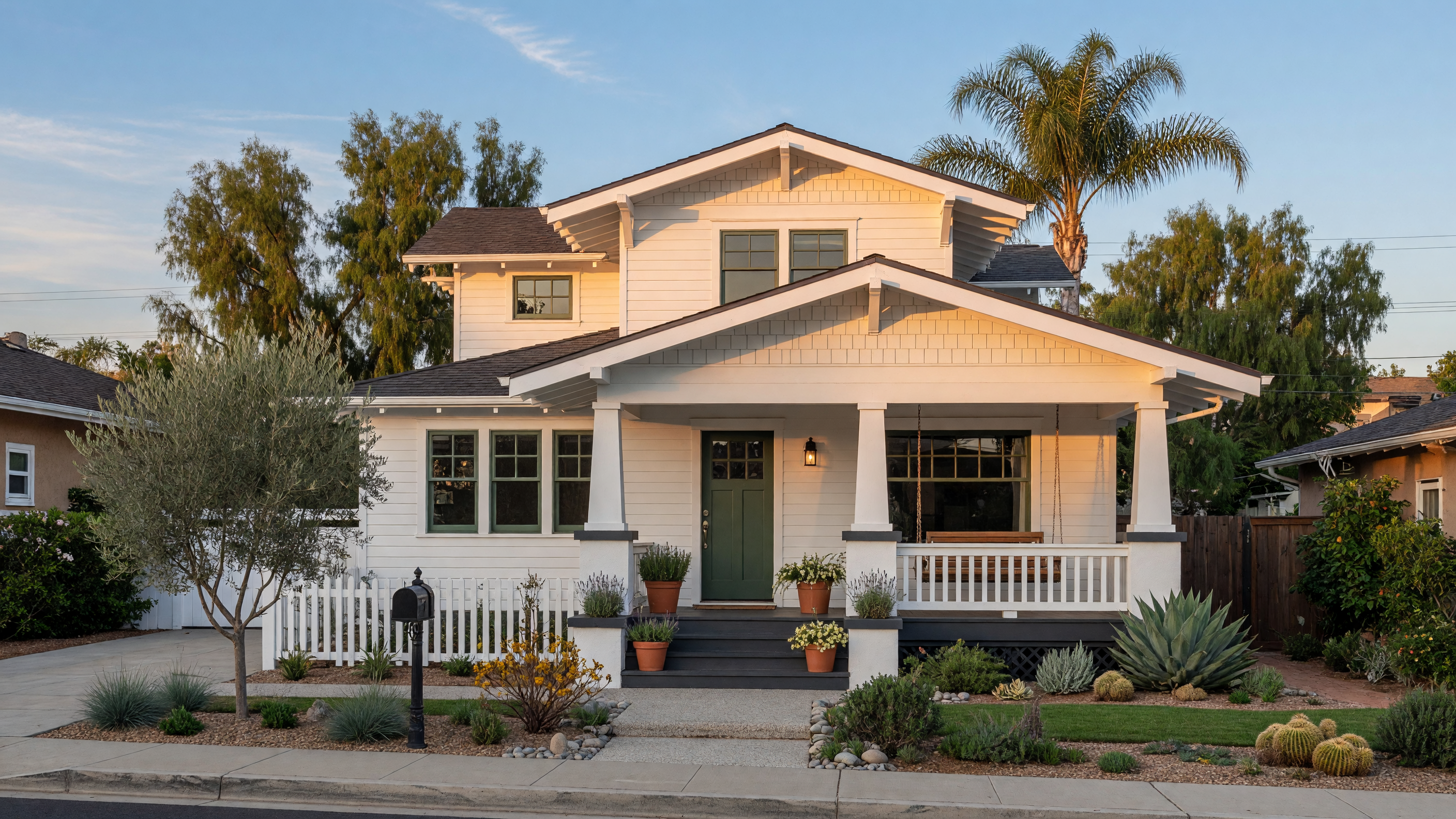
Sober living & recovery housing as a real estate investment in San Diego.
Why recovery housing offers higher yields, longer leases, and stronger demand than conventional rentals — and how to evaluate the opportunity in San Diego County's market.
Typical cap rates for recovery housing in San Diego County — higher than conventional multifamily
Per-bed monthly housing fees in San Diego, depending on location and service level
Typical master lease terms between property owners and recovery housing operators
Americans aged 12+ who struggled with substance use in 2023, driving demand for recovery housing
Recovery housing sits at the intersection of real estate investment and social impact — and San Diego County is one of the strongest markets in the country for this emerging asset class.
Recovery housing — also known as sober living — provides safe, structured, substance-free living environments for individuals in recovery from addiction. Unlike transitional shelters or clinical treatment centers, recovery residences operate as peer-support communities within standard residential properties.
For real estate investors, recovery housing represents a distinctive opportunity: per-bed revenue models that generate significantly more income per square foot than conventional leases, long-term operator agreements that reduce vacancy risk, and a demand environment shaped by a chronic national shortage of quality recovery beds.
San Diego County is particularly well-positioned. The region's large military population, dense network of behavioral health providers, robust treatment infrastructure, and favorable regulatory environment create the ideal conditions for recovery housing operators — and for the property owners who lease to them.
This guide covers the investment thesis in detail: what makes recovery housing different from conventional rental real estate, how the per-bed revenue model works, what lease structures are available, how to evaluate operators, and what California's regulatory framework means for owners and operators alike.
What makes recovery housing a compelling investment in 2026?
Chronic Undersupply
San Diego County has a persistent shortage of quality recovery housing. Treatment centers, VA hospitals, and behavioral health providers regularly refer clients to beds that do not exist. The gap between demand and available housing creates a structural occupancy advantage for operators and stable income for property owners.
Strong Regulatory Protections
California Health & Safety Code §11834.23 classifies sober living homes serving six or fewer residents as a residential use of property, protecting them from discriminatory zoning. Combined with federal Fair Housing Act protections for individuals in recovery, operators and owners have strong legal footing in San Diego.
Employment Anchors Create Demand
San Diego's military presence (Naval Base San Diego, Camp Pendleton), biotech sector (UC San Diego, Sharp HealthCare), and large healthcare infrastructure generate consistent referral pathways for recovery services. The county's 3.34 million residents sustain a broad base of need.
Higher Returns Than Conventional Rentals
Per-bed revenue models generate significantly higher income per square foot than traditional leases. A four-bedroom home that rents for $3,200/month as a single-family lease can generate $4,800–$6,000/month in a recovery housing configuration with four to six beds.
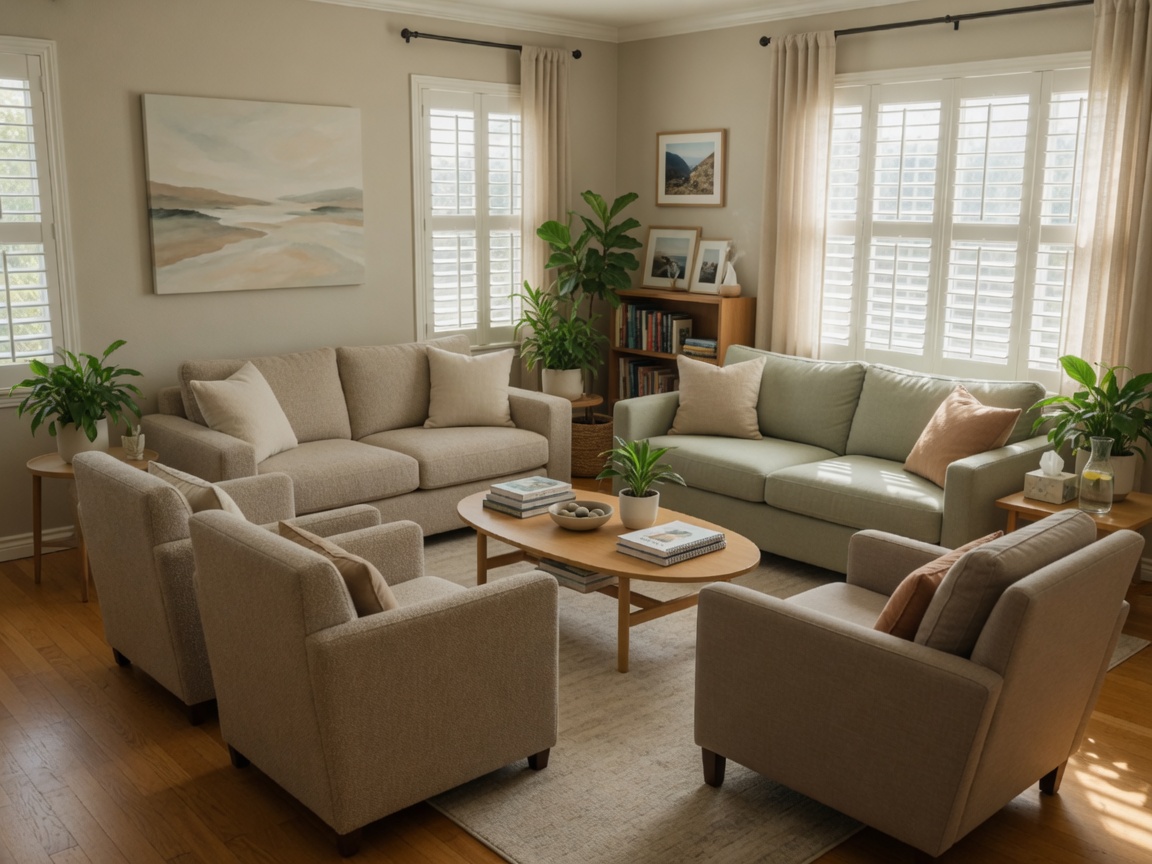
Quality recovery housing provides structured, supportive environments that meet residents' needs while protecting the property owner's investment.
How does the per-bed revenue model work?
Unlike a conventional rental where one household pays one rent, recovery housing generates revenue from individual residents — each paying a monthly housing fee for their bed. This per-bed model produces materially higher income per square foot.
| Metric | Conventional Single-Family Lease | Recovery Housing (4-Bed) | Recovery Housing (6-Bed) |
|---|---|---|---|
| Monthly Revenue | $2,800–$3,500 | $4,800–$6,000 | $7,200–$9,000 |
| Annual Revenue | $33,600–$42,000 | $57,600–$72,000 | $86,400–$108,000 |
| Revenue per Sq Ft | $1.80–$2.30 | $3.10–$3.90 | $4.60–$5.80 |
| Turnover Cost | $2,000–$5,000 per vacancy | $0 (operator manages) | $0 (operator manages) |
| Typical Lease Term | 12 months | 12–36 months | 12–36 months |
Per-bed fees in San Diego range from $850 to $1,500 depending on neighborhood, service level, and property quality. Figures above assume 85% average occupancy. Actual performance varies by operator quality and market conditions.
What lease structures work for recovery housing?
There is no one-size-fits-all approach. The right structure depends on your risk tolerance, the operator's track record, and your investment goals. The three primary models are outlined below.
Master Lease
The property owner leases the entire property to the operator under a standard commercial or residential lease. The operator manages all aspects — resident intake, rent collection, programming, and compliance. Owners receive a fixed monthly payment regardless of occupancy.
- Predictable fixed income for owners
- Operator assumes occupancy risk
- Simplest structure for owners
- Clean hands-off investment
- No upside from higher occupancy
- Operator creditworthiness matters
- Longer lease terms reduce flexibility
Per-Bed Agreement
The owner receives a set fee for each occupied bed in the property. Revenue scales with occupancy — the more residents the operator places, the more the owner earns. This structure aligns owner and operator incentives around maximizing quality and occupancy.
- Revenue scales with occupancy
- Owner benefits from operator's marketing
- Higher potential income ceiling
- Aligned incentives for quality
- Income fluctuates with occupancy
- Owner shares vacancy risk
- Requires more trust in operator
- More complex to administer
Hybrid Structure
Combines a base master lease payment with per-bed bonuses at occupancy thresholds. For example, a base rent of $3,500/month plus $200 per occupied bed above three. This gives owners downside protection while allowing upside participation.
- Downside protection plus upside
- Balanced risk sharing
- Aligns incentives without full exposure
- Flexible and customizable
- More complex lease terms
- Requires careful threshold setting
- May need periodic renegotiation
What separates a great recovery housing operator from the rest?
In recovery housing, your operator is your tenant — and the single most important factor in your investment's success. Evaluating an operator requires looking beyond standard credit and income verification.
Proven Program Experience
Operators should demonstrate a track record of managing recovery housing or behavioral health residential programs. Verify operational history, client outcomes, references, and the length of time they have been operating in the market.
Stable Occupancy Practices
Consistent occupancy above 80% signals strong demand for the operator's program and good management practices. Ask for historical occupancy data across multiple properties, not just a single snapshot.
Compliance & Certification
Operators who pursue voluntary NARR (National Alliance for Recovery Residences) certification through CCAPP demonstrate commitment to quality. NARR standards cover Administrative Operations, Physical Environment, Recovery Support, and Good Neighbor practices.
Financial Stability
Request financial statements, banking references, and evidence of operating reserves. The operator must be able to sustain the lease through seasonal occupancy fluctuations and unexpected expenses without defaulting on rent.
Community Reputation
Operators who maintain positive relationships with neighbors, local government, and treatment providers are more likely to preserve your property's value and the community's goodwill. Request references from property owners they currently work with.
Property Management Standards
Quality operators maintain the property to the same or higher standard than a conventional tenant. Lease agreements should specify maintenance responsibilities, property condition standards, insurance requirements, and periodic inspection rights.
NARR certification: The National Alliance for Recovery Residences (NARR) — with California's official affiliate, CCAPP — evaluates recovery residences across four domains: Administrative Operations, Physical Environment, Recovery Support, and Good Neighbor practices. While certification is voluntary, operators who pursue it demonstrate a level of professionalism and accountability that significantly reduces owner risk.
What factors determine a recovery housing property's value?
Recovery housing properties are valued on a combination of real estate fundamentals and the quality of the operating arrangement — not just comparable sales.
| Value Driver | Impact | Notes |
|---|---|---|
| Location & Accessibility | High | Proximity to treatment centers, public transit, employment centers, and hospitals. Coastal and central neighborhoods command premium per-bed rates. |
| Bed Count & Layout | High | Properties with 4–8 bedrooms and multiple bathrooms are most desirable. Single-story homes with private bedrooms maximize per-bed revenue. |
| Operator Lease Quality | High | A signed master lease with a qualified, NARR-certified operator is the single most valuable asset — it transforms the property from a vacancy-risk asset to a stabilized income stream. |
| Occupancy History | Medium | Properties with 12+ months of documented occupancy data at 85%+ rates demonstrate the viability of the recovery housing model at that location. |
| Property Condition | Medium | Well-maintained properties with modern kitchens, adequate bathrooms, and proper fire safety systems reduce operator risk and support higher per-bed pricing. |
| Compliance Record | Medium | Clean compliance history with local building codes, fire safety, and any applicable state regulations adds value and reduces buyer due diligence risk. |
Why is San Diego County a prime market for recovery housing investment?
Statewide Demand
Over 28.6 million Americans aged 12 and older reported a substance use disorder in 2023. California has the nation's largest population of individuals in need of recovery services, with an estimated 4.2 million residents affected by substance use disorders.
San Diego Treatment Infrastructure
San Diego County hosts one of the densest networks of treatment providers in the state, including VA San Diego Health Care System, UC San Diego Health, Sharp Mesa Vista Hospital, and numerous private treatment facilities — all generating referrals for recovery housing.
Military & Veteran Population
San Diego is home to the largest concentration of military personnel on the West Coast. The VA estimates that veterans experience substance use disorders at roughly twice the rate of the general population, creating significant demand for veteran-focused recovery housing.
Regulatory Environment
California's Health & Safety Code §11834.23 protects sober living homes with six or fewer residents from discriminatory zoning. Combined with Fair Housing Act protections for individuals in recovery, operators in San Diego have strong legal frameworks for establishing and operating recovery residences.
Neighborhood demand in San Diego: Recovery housing operators actively seek properties across the county — from East Village and North Park to Chula Vista, El Cajon, Oceanside, and Vista. Properties near transit corridors, treatment centers, and employment hubs tend to achieve the highest occupancy rates and per-bed fees.
What California laws govern recovery housing?
Understanding the regulatory landscape is essential for both property owners and operators. Recovery housing benefits from strong legal protections at the state and federal level.
HSC §11834.23
California Health & Safety Code §11834.23 classifies recovery or treatment facilities serving six or fewer persons (providing only housing and peer support, not clinical treatment) as a residential use of property. Cities must treat these homes the same as a single-family residence for zoning purposes. This protects operators and owners from discriminatory local ordinances.
Fair Housing Act
The federal Fair Housing Act (42 U.S.C. §3601) and California's Fair Employment and Housing Act (FEHA) protect individuals in recovery from substance use disorders as persons with disabilities. Discrimination in housing — including zoning practices that single out recovery residences — is prohibited.
NARR / CCAPP
The National Alliance for Recovery Residences (NARR) sets quality standards across four domains: Administrative Operations, Physical Environment, Recovery Support, and Good Neighbor practices. In California, CCAPP (California Consortium of Addiction Programs and Professionals) is the official NARR affiliate. While certification is voluntary, it signals operator quality and reduces owner risk.
AB 1482 Rent Cap
California's Tenant Protection Act (AB 1482) limits annual rent increases to 5% plus local CPI or 10%, whichever is lower. Most recovery housing operator leases are structured as commercial or master leases rather than conventional residential tenancies, though applicability varies by arrangement. Consult legal counsel to understand how AB 1482 applies to your specific lease structure.
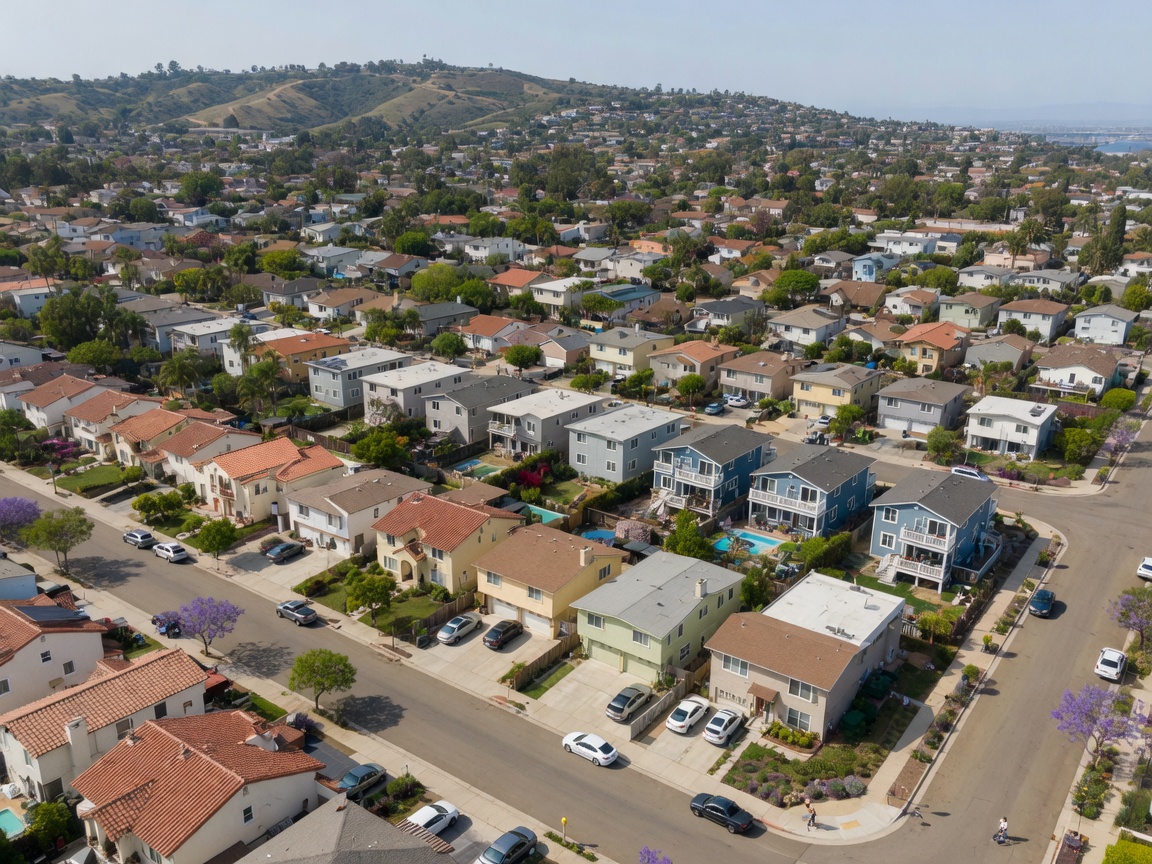
San Diego's diverse residential neighborhoods offer multiple opportunities for recovery housing investment across price points and demand profiles.
How do I invest in recovery housing in San Diego?
Define Your Investment Criteria
Determine your budget, preferred neighborhoods, target returns, and risk tolerance. Single-family homes in San Diego's inland neighborhoods (City Heights, El Cajon, Chula Vista) typically offer the strongest per-bed economics, while coastal properties generate higher per-bed rates but lower cap rates.
Identify a Qualified Operator
Work with a team that has established relationships with vetted recovery housing operators. Evaluate their track record, NARR certification status, existing property portfolio, and financial stability. The operator is your tenant — their quality determines your investment's success.
Structure the Lease
Work with a real estate attorney experienced in recovery housing to draft a lease structure that protects your interests. Whether master lease, per-bed, or hybrid, ensure the agreement specifies maintenance responsibilities, insurance requirements, compliance obligations, and inspection rights.
Place the Operator & Monitor
Once the operator takes possession, maintain regular communication and periodic property inspections. A well-structured lease gives you visibility into operations without requiring day-to-day involvement. Build the relationship — a strong operator-owner partnership is the foundation of long-term success.
Frequently asked questions.
What are typical cap rates for sober living properties in San Diego?
What are typical cap rates for sober living properties in San Diego?
How do per-bed fees work in recovery housing?
How do per-bed fees work in recovery housing?
Is sober living a good investment compared to traditional rentals?
Is sober living a good investment compared to traditional rentals?
What California laws protect sober living homes?
What California laws protect sober living homes?
What should I look for in a recovery housing operator?
What should I look for in a recovery housing operator?
Can I invest in recovery housing as a remote or international investor?
Can I invest in recovery housing as a remote or international investor?
What is the difference between sober living and a licensed treatment facility?
What is the difference between sober living and a licensed treatment facility?
Whether you own a property suited
for recovery housing or are exploring
this asset class for the first time.
Our team connects property owners with qualified recovery housing operators and helps investors evaluate opportunities in San Diego County's recovery housing market. We handle operator vetting, lease structuring, and ongoing relationship management.