
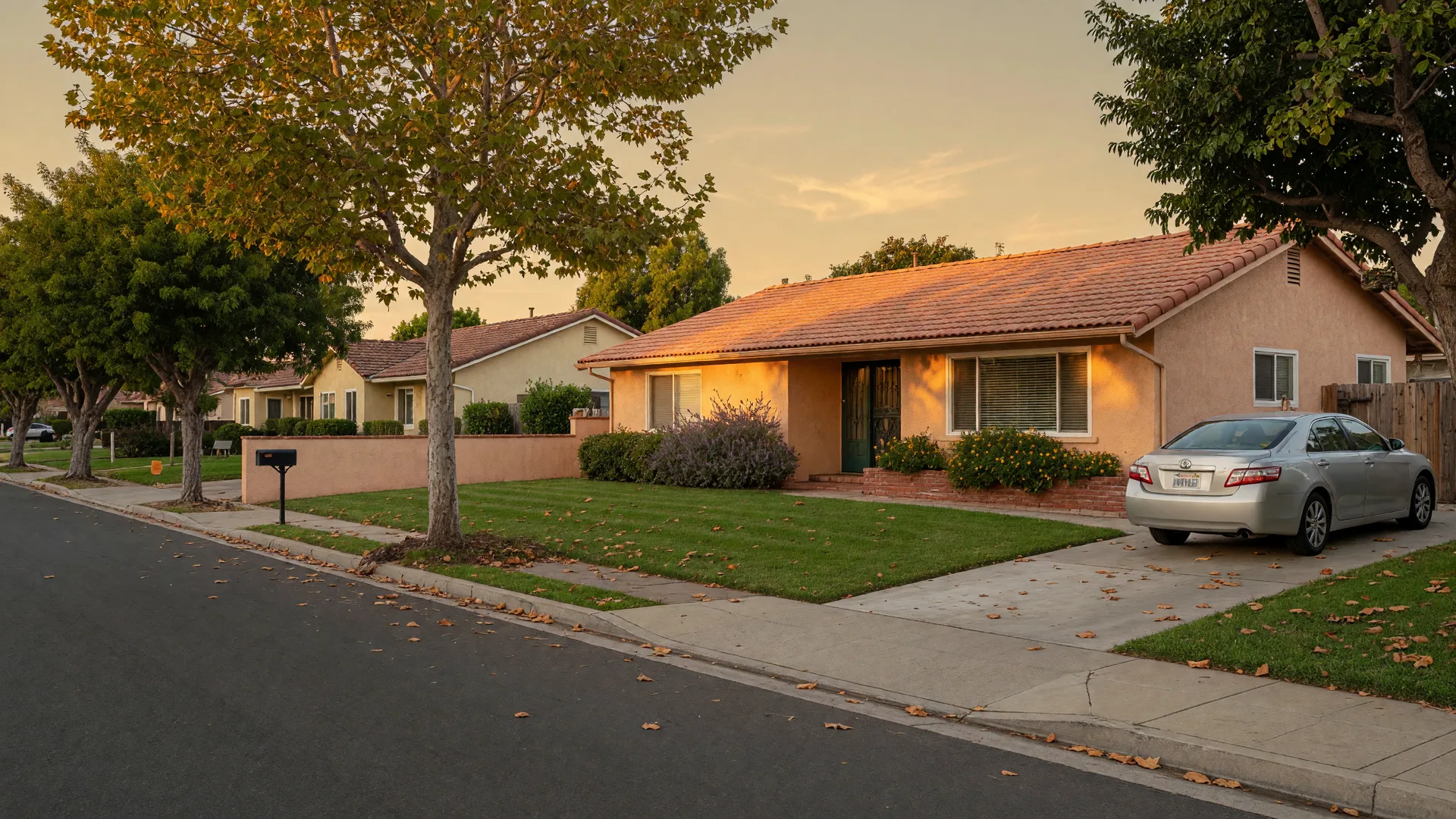
Recovery housing in a softening market: the Q4 2026 case for sober living investment.
San Diego's conventional rental market is cooling just as recovery housing demand keeps growing. This guide explains why the master-lease model holds its ground in a soft market, what to underwrite before signing, and what owners should do before year-end.
San Diego's rental market is cooling just as demand for recovery housing keeps growing, and that divergence is the core investment story of Q4 2026.
CoStar put San Diego County multifamily vacancy at 6.2% entering the fourth quarter, the highest reading in more than 25 years, and September asking rents dipped 0.2% month over month after a long run of increases. Meanwhile the 30-year fixed mortgage averaged 7.28% for the week ending October 1, 2026, squeezing the purchase math for conventional rentals priced as yield plays.
Recovery housing follows a different demand curve. Sober living and recovery residences serve people leaving treatment, re-entering the community, and rebuilding stable lives, and the referral engine behind that demand has kept running through the same quarter in which conventional vacancy hit its multi-decade high.
The structure matters as much as the demand. Under a master lease, a single vetted operator pays the owner a fixed monthly amount, absorbs occupancy risk, and manages the property end to end. When conventional owners are chasing tenants one vacancy at a time, recovery housing owners manage one relationship on a multi-year term.
This guide updates the flagship sober living investment thesis for the current market: the demand data, why the master-lease model holds up, what changed in Q4 2026, what to underwrite before signing, and the year-end checklist every owner and operator should run.
Why is recovery housing demand still climbing?
The latest national survey data shows a gap between the number of people with substance use disorders and the number receiving treatment that is large enough to keep referral demand structurally elevated for years.
The Treatment Gap Is Structural, Not Cyclical
The latest national survey identified 48.5 million Americans aged 12 and older with a past-year substance use disorder, yet only about 7.1 million, roughly one in six, received substance use treatment. That persistent gap means referral demand for structured, sober living environments stays high regardless of what mortgage rates or vacancy data are doing.
Referral Streams Keep Coming
Treatment centers, the VA health system, probation and re-entry programs, and behavioral health providers all need somewhere to send people in recovery. San Diego County's military concentration, biotech sector, and dense treatment infrastructure keep those referral streams flowing through economic cycles.
Certified Supply Remains Thin
The National Alliance for Recovery Residences counts roughly 7,150 certified residences across its state affiliates, serving an estimated 250,000 people per year nationwide. Relative to the size of the need, certified recovery housing supply is thin, which underpins occupancy for operators and stability for the owners who lease to them.
Young Adult Need Is Concentrated
Young adults aged 18 to 25 show the highest past-year substance use disorder prevalence of any age group in the national data, which matters for housing formats with lower barriers to entry and structured peer support. San Diego's universities and military bases concentrate exactly that demographic.
The demand-summary math: about 48.5 million Americans aged 12 and older had a past-year substance use disorder in the latest national survey, and only about one in six received substance use treatment. Every completed treatment episode, court referral, and discharge from a residential program needs somewhere stable to go next, and certified recovery housing supply nationwide remains thin relative to that need.
How does the master-lease model hold up when rents soften?
The conventional rental owner carries the vacancy. The recovery housing owner shifts it to the operator. That single difference explains most of the model's resilience in Q4 2026.
One Tenant Instead of Many
Under a master lease, the owner signs with a single operator who rents the whole property, collects resident fees, and manages the house. When conventional properties are chasing tenants one vacancy at a time, recovery housing owners manage one relationship.
The Operator Absorbs Occupancy Risk
Vacancy is the owner's problem in a conventional rental and the operator's problem in a master lease. A fixed monthly payment to the owner continues whether the house is at 100% occupancy or 80%, which is exactly the insulation owners want in a soft market.
Multi-Year Terms With Renewal Options
Master leases are typically structured across multi-year terms, commonly 12 to 36 months or longer with renewal options. A committed term protects the owner from the churn of annual single-family renewals and repeated vacancy costs at re-lease time.
Per-Bed Economics Hold Up
Per-bed revenue models generate far more income per square foot than a conventional single-family lease. A four-bedroom home that leases for about $3,200 per month as a standard rental can produce $4,800 to $6,000 per month in a recovery housing configuration with four to six beds, at San Diego per-bed fees of roughly $850 to $1,500.
What lease structures should owners compare in 2026?
Fixed Master Lease
Owner leases the entire property to the operator for a set monthly amount regardless of occupancy. The operator takes on resident intake, rent collection, and compliance. Simplest structure and the strongest downside protection in a soft market.
Per-Bed Agreement
Owner is paid per occupied bed, so income scales with occupancy. More upside when the operator runs full, more exposure when beds sit empty. Suits owners who want to share occupancy risk in exchange for a higher income ceiling.
Hybrid Structure
A fixed base rent plus per-bed bonuses above an occupancy threshold. Owners get downside protection on the base and participate in upside at high occupancy. The structure most often recommended for owners entering the asset class in 2026.
What has changed for recovery housing in late 2026?
County multifamily vacancy at 6.2%, the highest in over 25 years; September asking rents dipped 0.2% month over month.
30-year fixed rate for the week ending October 1, 2026, up from 6.71% in early September; FOMC meetings October 28 and December 9.
Americans aged 12+ with a past-year substance use disorder in the latest national survey; about one in six received treatment.
NARR-certified residences across state affiliates, serving an estimated 250,000 people per year.
Why conventional income is under pressure
Record multifamily vacancy means more supply chasing renters, September asking rents turned negative for the first time in months, and the AB 1482 cap of 8.2% on many conventional residential tenancies limits how much owners can raise rents to cover higher costs. Financing costs also sit near 7.28%, so every point of rate adds pressure to levered deals.
Why recovery housing income is comparatively stable
The owner's master lease payment is a negotiated contract with a single operator, set for the term with escalators agreed in writing, not an annual cap computed from a government index. Referral demand does not fall with vacancy, and per-bed income is a function of the operator's model and the property, not the countywide absorption rate.
A balanced view: recovery housing is not immune to market forces. Operator credit quality matters more in 2026 than in a boom. Insurance costs remain elevated in California, and a poorly structured lease can hand an owner all of the vacancy risk they tried to avoid. The model earns its stability through disciplined operator selection and contract structure, not by assumption.
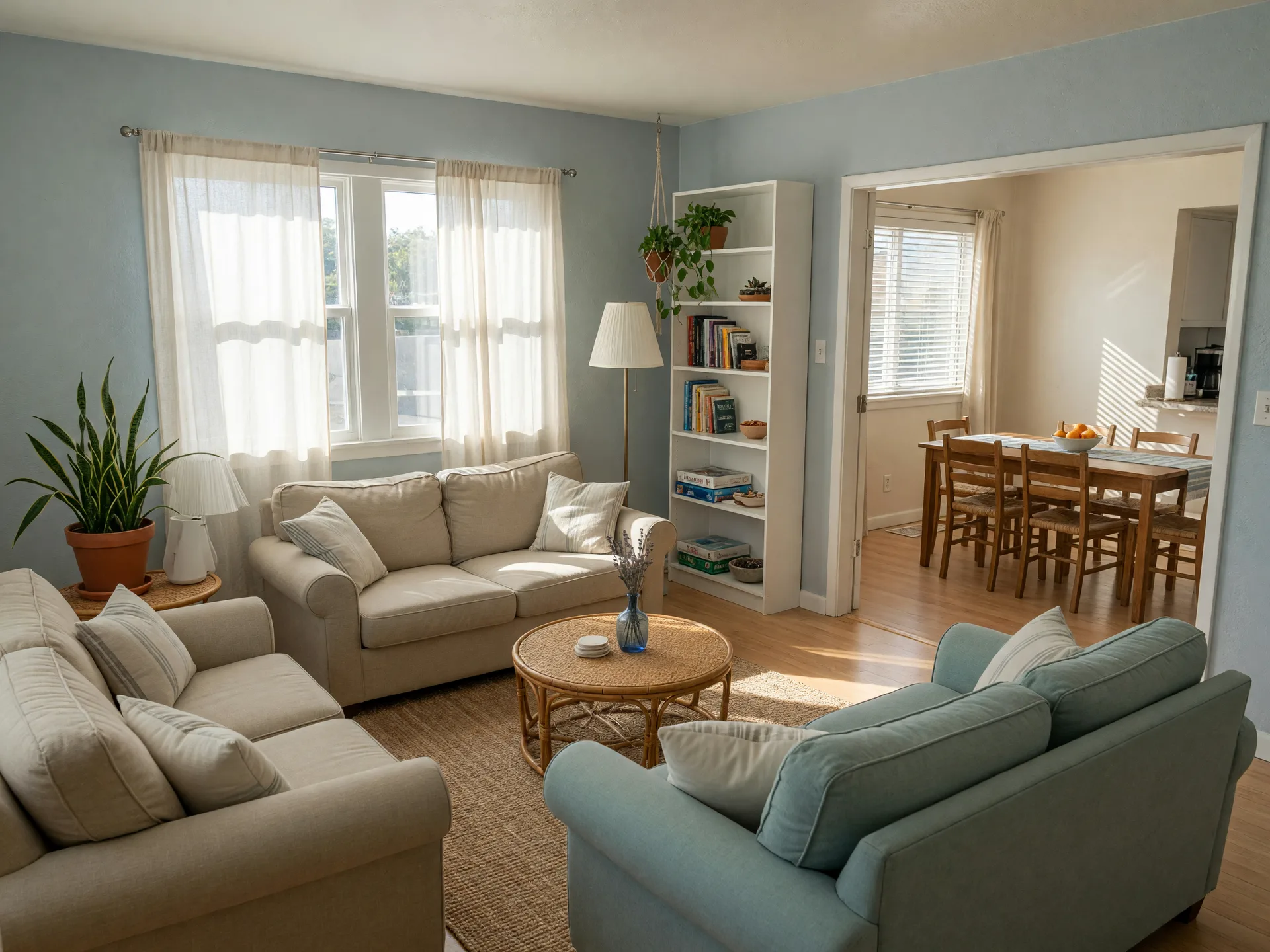
A well-run recovery residence keeps the property well maintained while providing the structure residents rely on, which is why operators and owners both benefit from documented standards.
What should owners check before signing in 2026-27?
The best recovery housing deals are built on operator discipline. Run every prospective operator through these six checks before any lease is signed.
Operator Financials and Reserves
Request the operator's financial statements, banking references, and evidence of operating reserves. In a market where rates sit near 7.28%, operators should be able to sustain the lease through seasonal dips without falling behind on rent. Ask how many properties they operate and how their occupancy has trended over the past 12 months.
Occupancy History, Not a Snapshot
Demand documented occupancy across multiple properties over time, not a single month. Consistent occupancy above 80% signals real referral demand and competent management. Seasonal dips are normal; sustained softness is a warning.
Compliance and Certification
Confirm the operator's approach to fair housing, local registration requirements, and California Health & Safety Code rules covering recovery residences. Operators pursuing voluntary certification through CCAPP, California's NARR affiliate, have documented standards for operations, physical environment, and good-neighbor practices.
Insurance That Fits the Use
Verify the operator's liability coverage and that the owner's policy reflects the actual use. California's property insurance market remains challenging, so confirm coverage terms in writing before signing and revisit them at every renewal.
Lease Terms, Escalators, and Inspections
Put rent escalators, maintenance responsibilities, inspection rights, and default remedies in the lease. Multi-year terms protect income, but only if the agreement also protects the property and defines what happens when occupancy falls or the operator changes programs.
A Clear Exit and Renewal Path
Define renewal options, notice periods, and what happens at the end of the term. A property that has operated as stable recovery housing for years is worth more with a renewal in hand, so structure the end of the lease as deliberately as the start.
The year-end checklist for recovery housing owners and operators.
File or Review Your Prop 8 Appeal by November 30
The deadline to apply for a Proposition 8 decline-in-value assessment review with the San Diego County Assessor falls on November 30, 2026. If your property's market value is below its assessed value, an appeal can cut property taxes for 2026-27. See our California property tax guide for the full process.
Reconfirm Operator Compliance Before January 1
New California landlord-tenant requirements take effect January 1, 2027, including digital advertising image rules, service requirements, and a new summons form. Confirm with counsel which of these apply to your lease structure and that the operator's practices and paperwork are current.
Review Insurance Renewals Early
San Diego property insurance renewals deserve a 60-day runway, especially for residentially zoned properties used by a behavioral health operator. Compare quotes, confirm the operator's coverage is still in force, and address any notice from your carrier immediately rather than at renewal time.
Test Your Underwriting Against 2026 Rates
With the 30-year fixed above 7% and multifamily vacancy at multi-decade highs, re-run the numbers on any recovery housing deal: master lease income, operating costs, debt service if financed, and property taxes after any appeal. The model that worked at 6% rates can look different at 7.28%.
Plan 1099 and Year-End Reporting
Operator payments and any 1099 obligations for the 2026 tax year hit their filing window at the end of January 2027. Discuss lease setup, depreciation, and cost segregation with a tax professional now so next year's filing is planned, not discovered.
Calendar anchors: October 28 and December 9, 2026 FOMC meetings; the November 30, 2026 Prop 8 appeal deadline; January 1, 2027 new landlord-tenant requirements; and the late-January 2027 1099 filing window. Our year-end investor playbook covers the full calendar and rate math.
Go deeper on the recovery housing playbook.
The Flagship Investment Guide
Cap rates, per-bed revenue models, operator vetting, and the full 2026 investment thesis for sober living in San Diego County.
Regulations & Compliance
The six-or-fewer exemption, fair housing protections, local registration rules, and the 2025-26 legislative session in detail.
The Q4 Rental Market Report
The 6.2% vacancy reading, 2027 law changes, and the year-end checklist for every San Diego rental property owner.
Frequently asked questions.
Why does recovery housing hold up when the conventional rental market softens?
Why does recovery housing hold up when the conventional rental market softens?
What is the difference between a master lease and renting to individual residents?
What is the difference between a master lease and renting to individual residents?
How are master lease terms and rent escalators structured?
How are master lease terms and rent escalators structured?
What should owners underwrite before signing a master lease in late 2026?
What should owners underwrite before signing a master lease in late 2026?
Does the Q4 2026 rental slowdown lower recovery housing rents?
Does the Q4 2026 rental slowdown lower recovery housing rents?
What are the key deadlines for recovery housing owners before year-end 2026?
What are the key deadlines for recovery housing owners before year-end 2026?
Where can investors learn more about the recovery housing investment model?
Where can investors learn more about the recovery housing investment model?
Explore recovery housing
with a data-driven team.
Whether you own a property suited to recovery housing, want to evaluate an operator's track record, or need help structuring a master lease that protects your income, our team can help you make a data-driven decision.